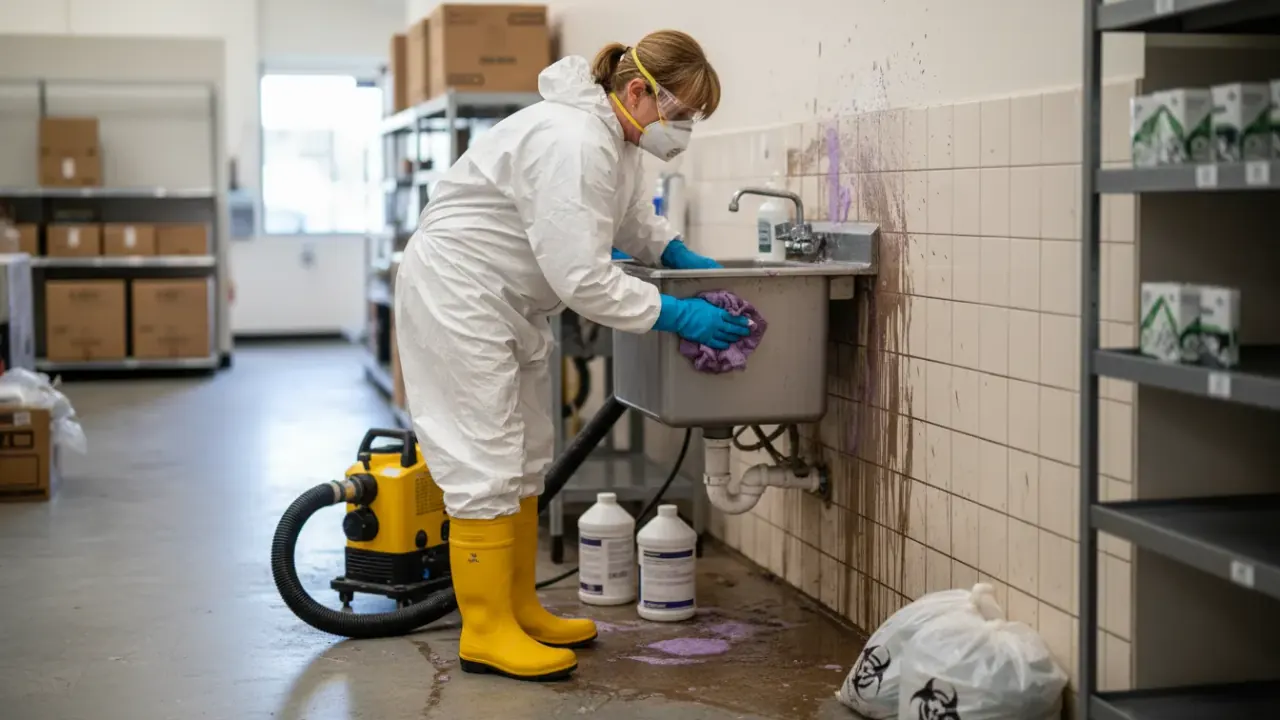
How to remove sewage from a flooded basement
Discover essential steps to safely remove sewage from a flooded basement in meridian, ensuring a clean and safe environment.
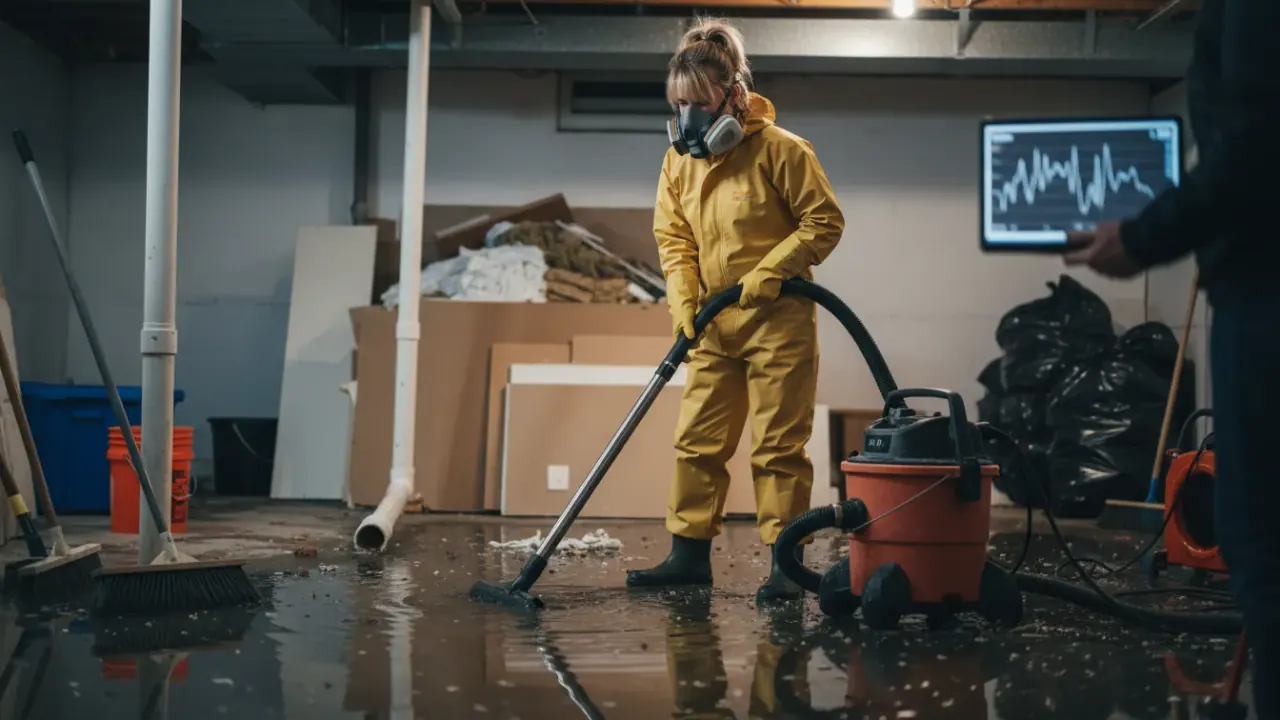
Sewage removal from a flooded basement is essential for preventing health hazards and property damage. The process involves identifying the source of the sewage, safely removing contaminated materials, and thoroughly cleaning and sanitizing the area. This guide will walk you through the steps needed to effectively remove sewage from a flooded basement in meridian.
Sewage removal is a critical process that involves cleaning up and disposing of sewage waste, often necessary after flooding or plumbing failures.
What is sewage removal?
Sewage removal is the process of eliminating sewage waste and contaminated water from an area, particularly after flooding or a sewer backup. This process is crucial to prevent health risks associated with exposure to pathogens and toxic substances found in sewage.
How do you remove sewage from a flooded basement?
To remove sewage from a flooded basement, follow these steps:
- Ensure safety: Before entering the flooded area, turn off electricity and wear protective gear, including gloves, boots, and masks.
- Assess the situation: Determine the extent of the flooding and if the sewage is from a sanitary or storm sewer.
- Pump out the water: Use a submersible pump to remove standing water. Ensure the pump is appropriate for sewage removal.
- Remove contaminated materials: Dispose of any porous materials like carpets, drywall, and furniture that cannot be cleaned effectively.
- Clean and disinfect: Use a mixture of water and detergent to clean surfaces, followed by disinfecting with a bleach solution (1 cup of bleach per gallon of water).
- Dry the area: Use fans and dehumidifiers to dry the basement completely to prevent mold growth.
- Inspect for damages: Check plumbing and structural elements for damage and repair as needed.
For more severe cases, consider contacting professionals for Emergency Sewage Removal meridian ID services to ensure thorough cleanup.
What equipment do you need?
Effective sewage removal requires specific equipment. Here's a list of essential tools:
- Submersible pump for water removal
- Wet/dry vacuum for smaller areas
- Protective gear, including gloves, boots, and masks
- Disinfectants and cleaning agents
- Fans and dehumidifiers for drying
- Trash bags for contaminated materials
Having the right equipment is crucial for ensuring a safe and effective cleanup process. Many homeowners in Downtown Meridian face similar challenges during heavy rains, making proper preparation essential.
What are common mistakes to avoid?
When removing sewage from a flooded basement, avoid these common mistakes:
- Entering the area without proper safety gear.
- Using electrical equipment in a flooded area.
- Not properly disinfecting surfaces after cleaning.
- Failing to dry the area completely, leading to mold growth.
- Ignoring structural damage that may require professional inspection.
Each of these mistakes can lead to further problems, including health risks and structural damage. If you're unsure about any step, consider reaching out to a Flooded Basement Cleanup meridian ID service for assistance.
When to call a professional?
Consider calling a professional for sewage removal if:
- The flooding is extensive and beyond your control.
- You are unsure about the safety of entering the flooded area.
- There is significant structural damage or health risks involved.
- You lack the necessary equipment for proper cleanup.
Meridian Water Pros specializes in Residential Sewage Cleanup Services meridian ID and can provide the expertise needed to handle severe cases safely.
Frequently Asked Questions
How long does it take to remove sewage from a flooded basement? The time required can vary, but it typically takes 3 to 7 hours for initial cleanup, followed by drying time of 24 to 48 hours.
Is sewage removal covered by insurance? Many homeowners' insurance policies cover sewage removal, but coverage can vary. Check your policy for specifics.
What are the health risks of sewage exposure? Exposure to sewage can lead to serious health issues, including infections, gastrointestinal problems, and respiratory issues.
Can I clean sewage myself? While minor cases may be manageable, it's often safer to hire professionals, especially for extensive flooding or contamination.
How can I prevent sewage backups in the future? Regular maintenance of your plumbing system, including clearing drains and inspecting pipes, can help prevent future issues.